EL PARAGUAS Animaciclo

ANIMACICLO / FILM PROGRAMME

THE CITY,
A CINEMA.

Films take to the streets.

From motion studies to animated cinema and the abstract avant-garde: these are the works that feed Animaciclo’s projections.

Excerpts and adaptations for the travelling show.

THE RESEARCH

The research that shaped Animaciclo grew out of a search into the origins of cinema and the first attempts to bring an image to life: breaking down a gesture, repeating it, setting it spinning, projecting it. This research also shaped our approach to technology: through craftsmanship, working with our hands and leaving its mechanisms in plain sight. With these principles, we seek to recover something of the wonder of the moving image: to look again, to see again.

Eadweard Muybridge

Eadweard Muybridge

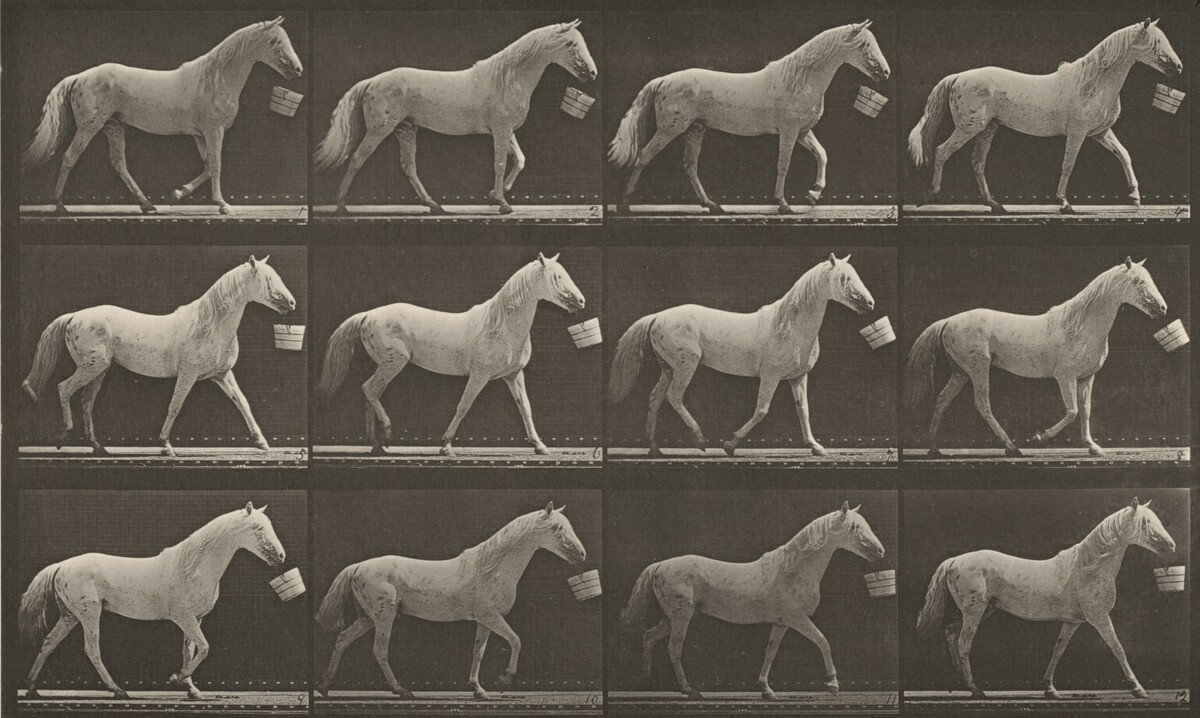
Muybridge broke movement down into photographic sequences and let us see what the eye can barely distinguish: a horse’s gallop, a bird’s flight, the movement of a body. His Animal Locomotion studies are among the tracks Animaciclo follows. By restoring their movement and taking them onto the city’s surfaces, the walk of his animals unfolds in all its majesty once again.
Émile Reynaud

Émile Reynaud

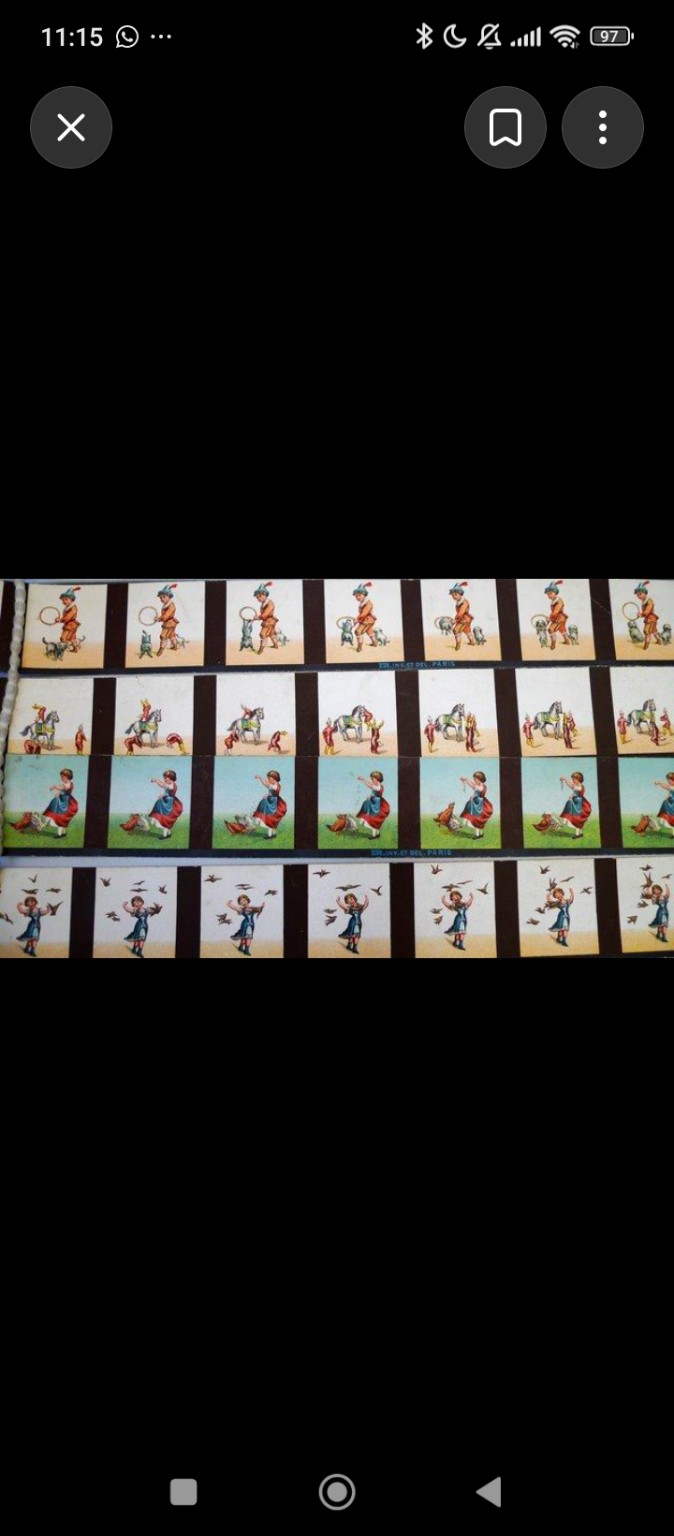
In the late 19th century, Reynaud sought life in the interaction between drawings, mirrors, light and mechanisms he operated himself. His praxinoscope set small scenes spinning; with the Théâtre Optique, patented in 1888, those figures could break out of cyclical movement and begin to tell stories. His luminous pantomimes brought together drawings, music by Gaston Paulin and sound effects in a theatre of images.

Émile Cohl

Émile Cohl

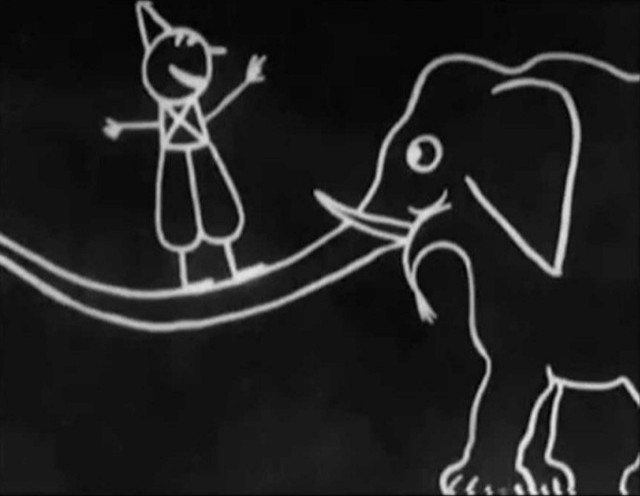
Émile Cohl came to animation with many trades behind him: caricaturist, illustrator, photographer, playwright, actor and illusionist. Between 1908 and 1923, he made around 300 films, animating drawings, matches, paper cut-outs, puppets and even pumpkins. In Animaciclo, we recognise ourselves in this eclectic, irreverent spirit, born from the meeting of varied skills.

Georges Méliès

Georges Méliès

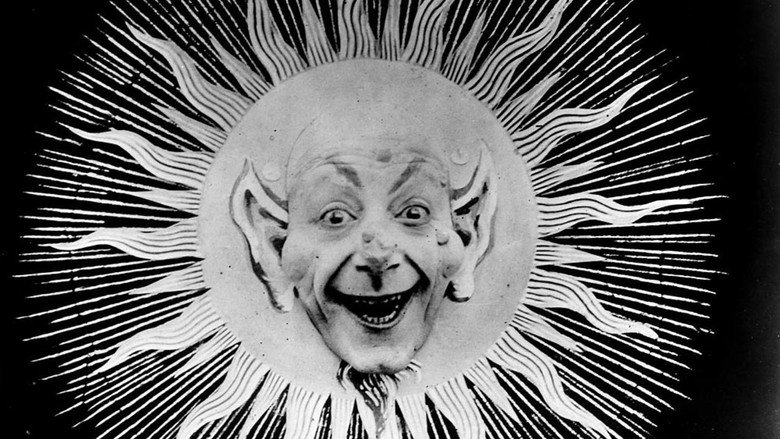
Méliès came from magic and theatre, bringing to cinema a taste for artifice, transformation and illusion in plain sight. His cinema was still akin to the fairground booth, music hall and magic, where science and poetry belonged to the same performance. His repertoire of tricks, superimpositions and stage mechanisms makes technique part of the spectacle.

Jun’ichi Kōuchi

Jun’ichi Kōuchi

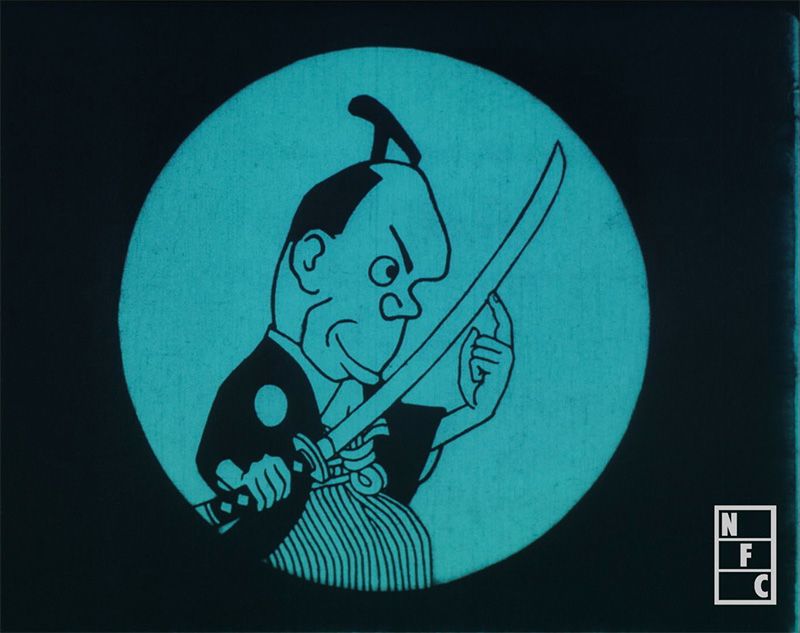
Before turning to cinema, Jun’ichi Kōuchi was a painter and political cartoonist. In 1917, he made Namakura Gatana (The Dull Sword), the oldest surviving Japanese animated film. Working before cel animation became widespread, Kōuchi used techniques such as erasing and redrawing only the parts of an image that needed to move. Thought lost for decades, the film was recovered from rediscovered nitrate prints and restored in the 21st century.

Tony Sarg

Tony Sarg

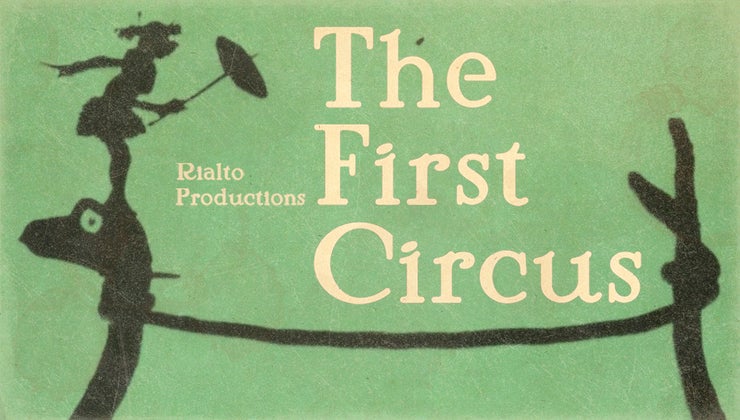
An illustrator and puppeteer before becoming an animator, Tony Sarg brought the mechanical principle of the puppet to cinema. His silhouette films used cut-out figures whose limbs, eyes and jaws were joined by small pivots and moved frame by frame on a table lit from below. In The First Circus (1921), made with Herbert M. Dawley, this small articulated theatre becomes cinema: dinosaurs, acrobats and impossible animals come to life through a deliberately simple mechanism.

Walter Ruttmann

Walter Ruttmann

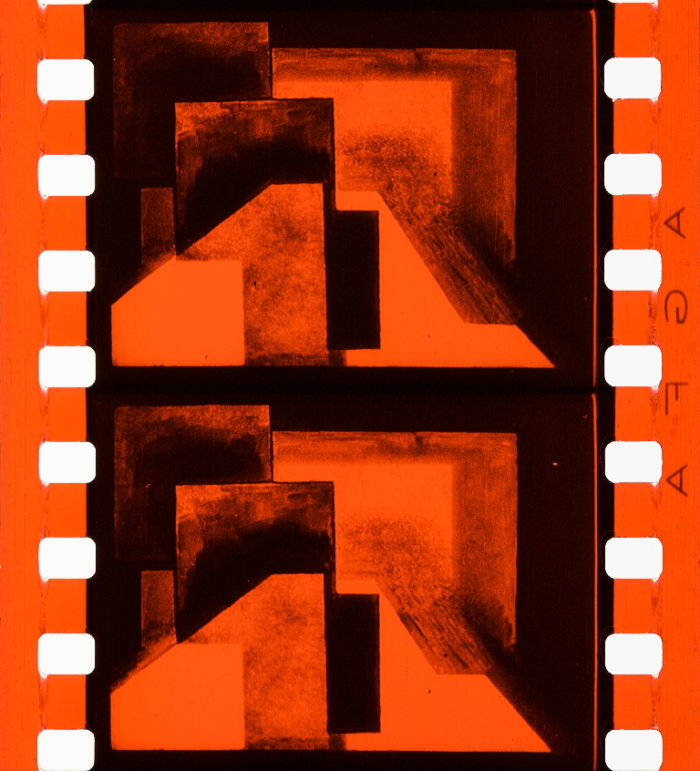
Walter Ruttmann (1887–1941) was a painter and graphic artist before working in film. His Opus are among the first European experiments in abstract cinema: rather than filming actors or objects, he constructs the film frame by frame, making abstract shapes grow, move, appear and disappear over time. MoMA places his Opus II, III and IV within what is known as “absolute cinema”, which sought to work directly with cinema’s basic elements: light, frame and time.

Nina Paley

Nina Paley

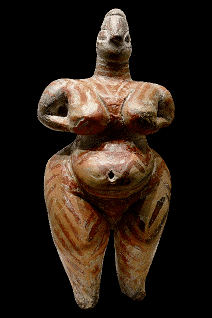
An independent animator and advocate of free culture, Nina Paley works with images from widely differing eras and traditions. In Seder-Masochism (2018), she animates and transforms archaeological figures, deities, animals and ancient motifs using digital tools. The filmmaker later dedicated the film to the public domain, allowing its images to be copied, modified and shared again.

The horses also echo some of the oldest images we know: in Palaeolithic art, the legs, heads and tails of certain animals appear multiplied, as if a single figure contained successive phases of movement. Thousands of years before cinema, images were already seeking ways to come to life.

THE MUSIC

El lado amable.

Chefa Alonso’s music travels with us. You can listen to and download the album De ciento en viento, by El lado amable, on Bandcamp.

Listen and download on Bandcamp